







Search Results for: Green Bean Changes

The Science of Specialty Coffee | How do you interpret coffee roasting levels and roasting percentages? What are the flavor characteristics of different roasting levels?
We usually talk a lot about coffee bean brewing, but today Front Street Coffee will explain coffee bean roasting knowledge to everyone. We know that the process of coffee beans going from green beans to roasted beans is the roasting process, and this process includes light roast, medium roast, and dark roast. Exactly how should different coffee beans be roasted? At the same time, light roast, medium roast [more…]

Home-roasted coffee beans | What are the taste differences between coffee beans of different roast levels? How to roast coffee beans at home? How are green coffee beans turned into coffee?
As coffee has become part of everyone's daily life, it's not hard to learn a lot of new and comprehensive knowledge about coffee from video apps. Besides researching how to brew and how to taste the flavors, many friends have started to take a strong interest in coffee bean roasting. But many of them act on a whim and end up putting their coffee [more…]
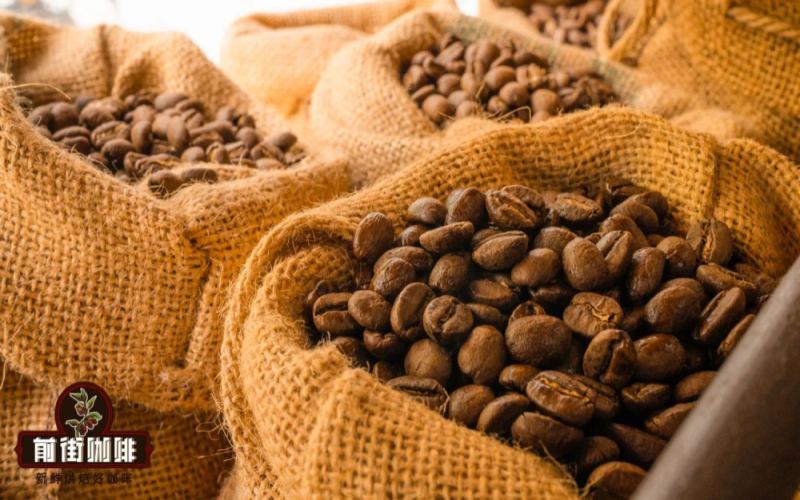
Illustrated Guide to Home-Roasted Coffee Beans | What Is the Relationship Between Coffee Roast Level and Coffee Flavor and Mouthfeel? What Tools Are Needed to Roast Green Coffee Beans at Home?
As coffee has become part of everyone's daily life, it's not hard to learn a lot of new and comprehensive knowledge about coffee from video apps. Besides researching how to brew and how to taste the flavors, many friends have started to take a strong interest in coffee bean roasting. But many of them act on a momentary impulse, and [more…]
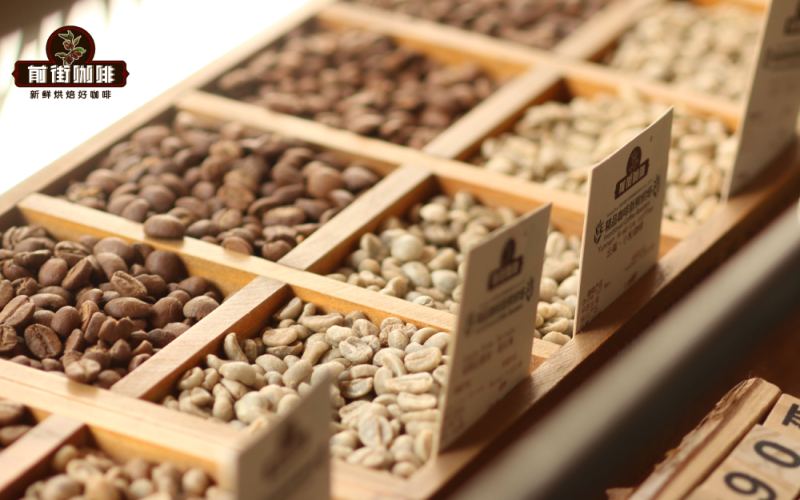
Coffee Bean Roast Levels | What Is the Maillard Reaction in Coffee? How Do Light, Medium, and Dark Roast Coffee Beans Differ in Flavor?
Coffee is a beverage brewed from coffee beans. Front Street believes that what makes coffee special is that green beans must be roasted before they can be used for preparation, and the roasting temperature reaches over 200 degrees Celsius, which is far higher than the roasting temperature for nuts. The length of roasting time is also related to the depth of the roast level, so it is not [more…]
The Meaning and Core Principles of Coffee Roasting: A Complete Analysis of the Transformation from Green Beans to Rich, Aromatic Flavor
Roasting is the key step that transforms coffee beans from bland green beans into the rich aroma in your cup. During roughly twenty minutes of high-temperature treatment, the starches inside the beans convert into sugars and acidic substances, moisture and carbon dioxide escape, and proteins and fats combine to form an oily film on the surface, accompanied by the cracking sounds of first crack and second crack. Chlorogenic acid gradually dissipates, releasing pleasant fruit acids such as acetic acid, citric acid, and malic acid. Different roasting levels produce beans of varying darkness; charcoal-burned coffee is the typical example of a deep French roast, and its bitterness comes mostly from carbonization rather than just caffeine. When roasted properly, the beans expand evenly, with a smooth surface and consistent gloss, which is what allows coffee to show its ultimate character. Front Street Coffee believes that mastering the principles of roasting is an important foundation for brewing good coffee. [more…]
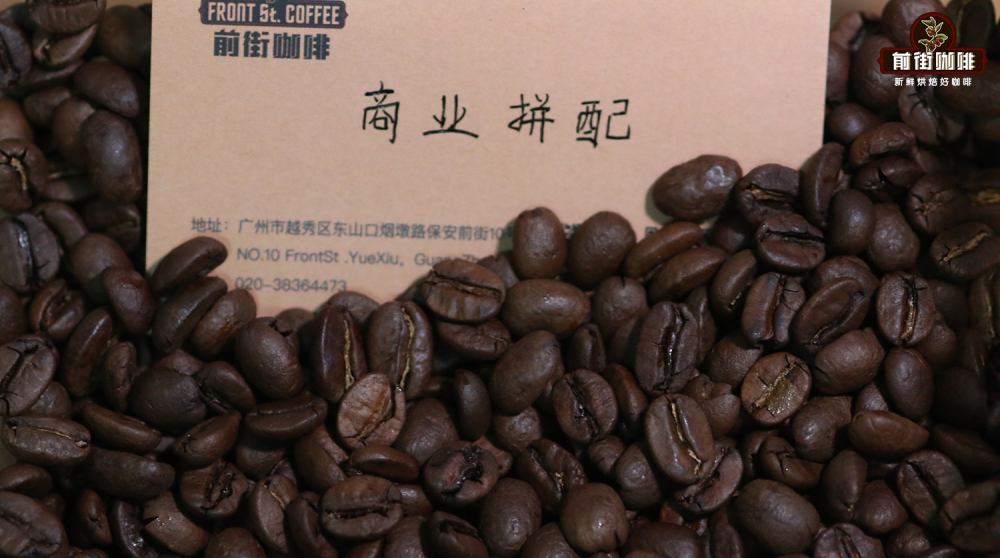
Comparison of Eight Coffee Bean Roast Levels|How do different roast levels affect coffee flavor? What is the specific process for roasting coffee beans?
Anyone who drinks coffee regularly knows that coffee beans come in different roast levels, and the flavor and mouthfeel they present are all different. As a café that roasts its own beans, Front Street has dozens of batches of coffee beans to roast every day. We know the flavors of light-roasted Yirgacheffe, medium-roasted Brazilian coffee, and the like like the back of our hand, and we also need to [more…]

From Origin to Bar: A Green Bean Sourcing Perspective on Commercial Blends
A cup of commercial espresso at the bar has its origins thousands of kilometers away at the source. Blending is not as simple as pouring several bags of roasted beans together and mixing them evenly—a professional roaster's blend is designed from the moment green beans are purchased. Understanding this upstream perspective can help shop owners see through many of the "whys" when selecting beans. The starting point of a blend is the recipe definition. [more…]
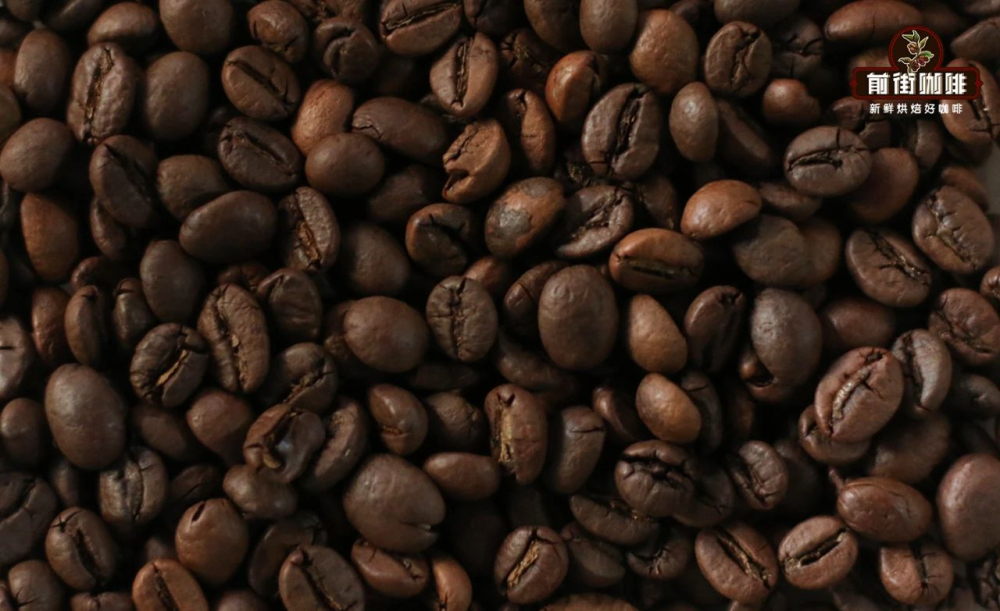
Light Roast Coffee Bean Recommendations | Why Does Green Coffee Need to Be Roasted? How to Tell Light, Medium, and Dark Roasts Apart?
Coffee is a beverage brewed from coffee beans. FrontStreet Coffee believes that what makes coffee special is that the beans must be roasted before they can be used for brewing, and the roasting temperature is as high as over 200 degrees Celsius, far higher than the roasting temperature for nuts. Moreover, [more…]
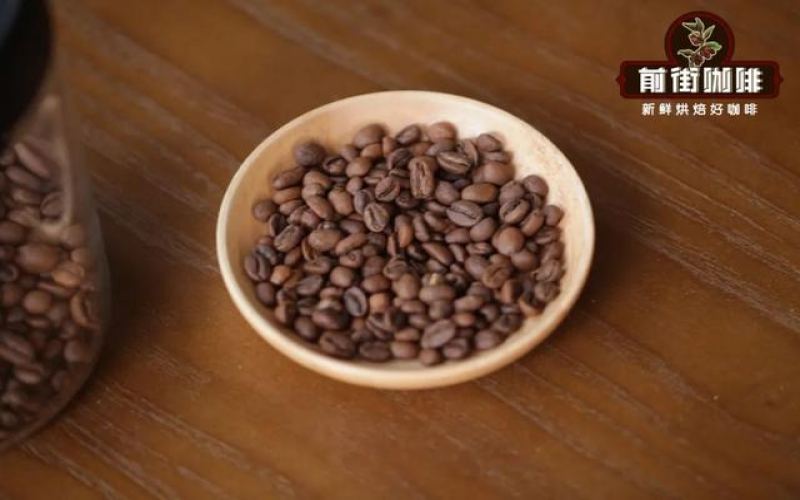
Huakui Coffee Beans | Ethiopia's Original Sidamo Guji Region Sun-Dried Huakui Coffee: Region, Flavor Characteristics, and Is It Related to Geisha?
How did Geisha coffee get its name? Front Street Coffee believes that from a literal sense, Geisha coffee is a coffee bean full of floral fragrance, but this is not actually the case. Geisha's floral aroma is not strong; instead, its fruity aroma is more intense, such as passion fruit, strawberry, mango, jackfruit, and citrus. According to what Front Street Coffee has learned: Geisha [more…]
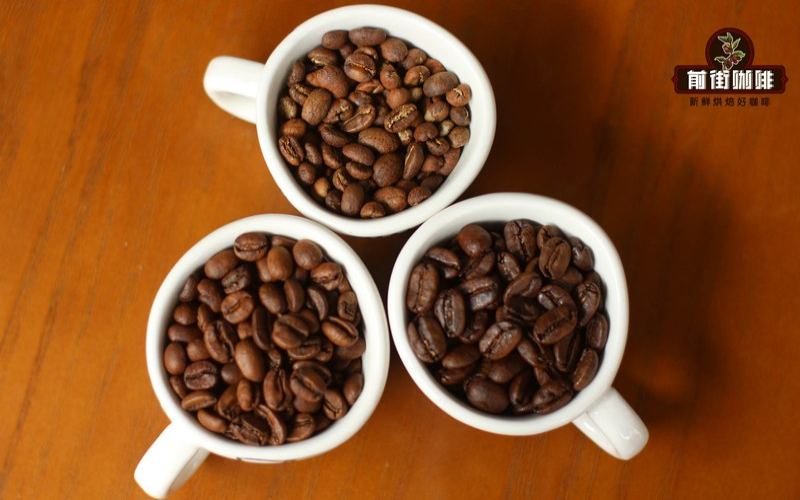
High-value Yirgacheffe coffee bean recommendations: balancing budget and drinking frequency
To understand high-value Yirgacheffe coffee beans, you need to translate flavor descriptions into what you can actually taste. For everyday bean buying, consider how quickly you'll drink them, how much to buy at once, and whether you mainly make black coffee or milk coffee at home. Floral, fruity acidity, nutty, and cocoa notes aren't a hierarchy—they're different directions, and the one that suits you is the right category. [more…]
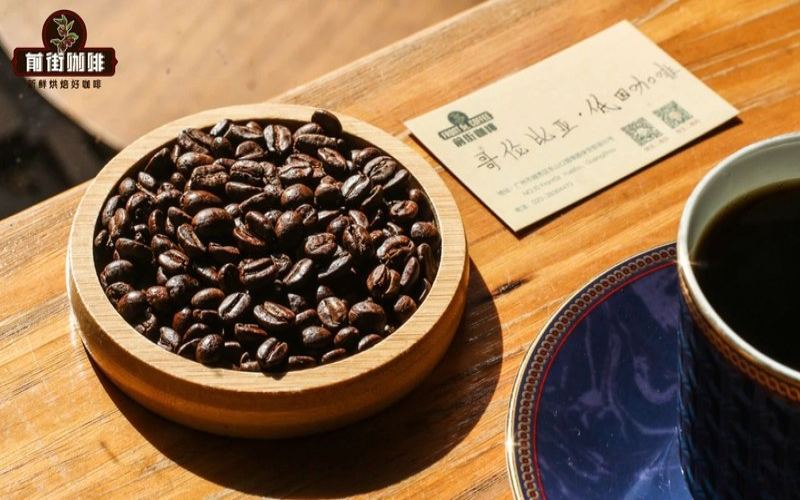
Medium-light roasted Yirgacheffe coffee bean recommendations: balancing budget and drinking frequency
When choosing a medium-light roast Yirgacheffe coffee bean, you can set aside the complex information for now. For everyday bean buying, consider how quickly you'll drink it, how much to buy at once, and whether you mainly make black coffee or milk coffee at home. Start with the two pairs of differences—light vs. full-bodied, and black coffee vs. milk coffee—then look at the roast date and processing method, and your judgment will be more grounded. [more…]
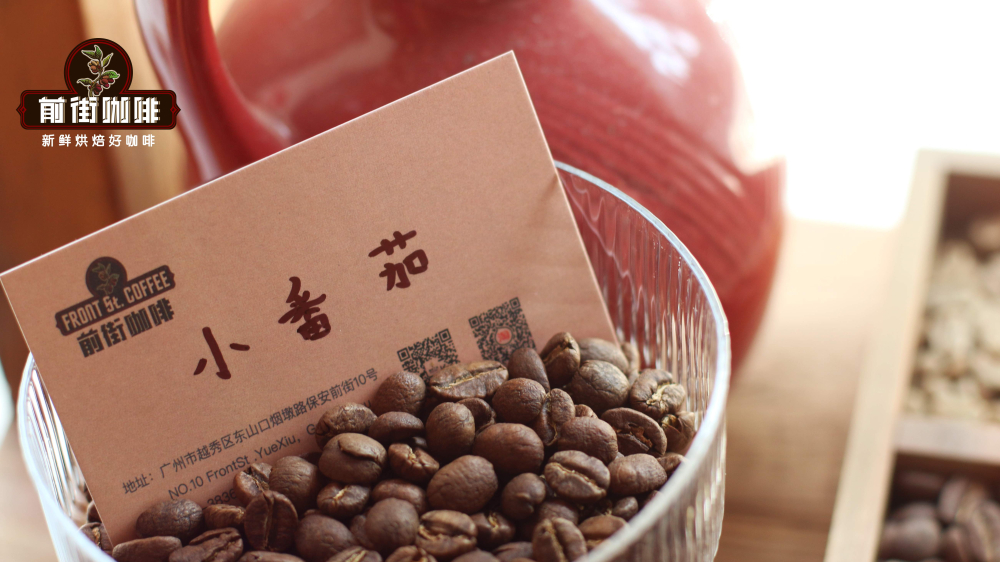
Kenyan Coffee Beans | Introduction to the AA Grading and Flavor Characteristics of Kenyan Coffee Beans
For more specialty coffee knowledge, please follow: Front Street Coffee (Frontsteet Coffee) Kenya AA coffee has always been regarded as one of the best specialty coffees in the world. For some friends who are not very familiar with Kenyan coffee, Front Street is often asked what AA means. Besides [more…]

From Coffee Cherry to Cup: Coffee Cherry Structure Diagram and Full Analysis of Green Bean Processing Workflow
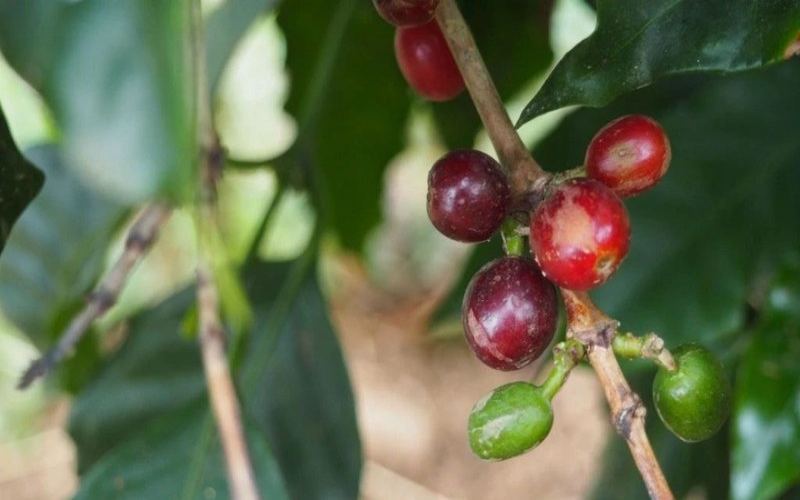
Many people drink coffee every day, yet have never seen what a coffee fruit actually looks like. Coffee cherries resemble cherries, turning red when ripe, and their internal structure determines the final form of the coffee bean. This article uses anatomical diagrams to show in detail the exocarp, pectin layer, endocarp, silver skin, and seed of the coffee fruit, and traces the complete chain from harvesting, washing or drying, roasting, to extraction. It also introduces the distribution characteristics of the global coffee belt, as well as the basic differences among the three major native species: Arabica, Robusta, and Liberica. The article also recommends related products from Front Street Coffee, helping enthusiasts understand more intuitively the transformation of coffee from fruit to cup. [more…]
Decaf Pour-Over Beans: Opening the Bag and Peak Flavor Window Explained — Master the Degassing Decline and Brew Your Best Cup
Decaffeination processing causes subtle changes to the cellular structure of green beans. After being heated during roasting, the pores inside the bean are often looser than those of regular beans, and the rhythm of degassing and flavor release is also more unique. If you want to taste clean, transparent fruity notes and sweetness from a pour-over brewer, understanding the freshness curve and degassing process of decaf coffee beans is [more…]
From Color, Aroma, and Taste to Personal Preference: A Comprehensive Guide to Coffee Quality Appreciation and Flavor Selection
The color, aroma, and taste of coffee originate from a series of complex chemical reactions during the roasting process. Only when the essential components of green beans reach a balanced state can a good cup of coffee be achieved. This article will analyze the constituent elements of coffee quality from four dimensions: aroma, bitterness, acidity, body, and sweetness, and share how to savor coffee through temperature, portion size, and concentration. Finally, we will also explore coffee bean choices for different taste preferences, including moderate, intense, mild, and minimalist, helping you find the cup that suits you best among brands like Front Street Coffee. [more…]

Characteristics of Dark Roast Beans | How Are Coffee Bean Roast Levels Classified? Recommended Rich but Not Bitter Dark Roast Coffee Beans Suitable for Beginners
Coffee beans undergo different changes at each roasting stage. During the process of roasting green coffee beans into roasted beans, as moisture is lost, they gradually go through dehydration, yellowing, and then first crack and a dense first crack. Because the moment first crack begins means the coffee beans have already matured, if at this point we still do not intend to stop and still want to [more…]
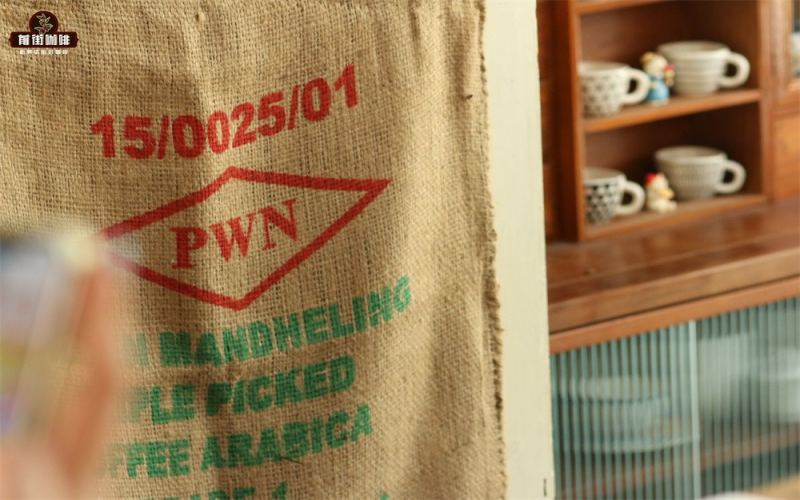
Characteristics of Mandheling Coffee Beans | Where Does the Name Mandheling Come From? How to Identify PWN Golden Mandheling? Introduction to the Origin, Varieties, Processing Methods, and Grades of Indonesian Mandheling Coffee
Let me quietly tell you all, Mandheling is not actually a coffee variety! Mandheling refers to the Arabica coffee beans grown on the Indonesian island of Sumatra, which are all collectively called Mandheling coffee. If Geisha coffee beans are the elegant lady of the coffee world, then Mandheling coffee beans are the gentleman, because they have a calm, rich coffee flavor. [more…]
Coffee Bean Oil Release | What factors cause roasted coffee beans to become oily? Does coffee bean oil release mean poor coffee quality?
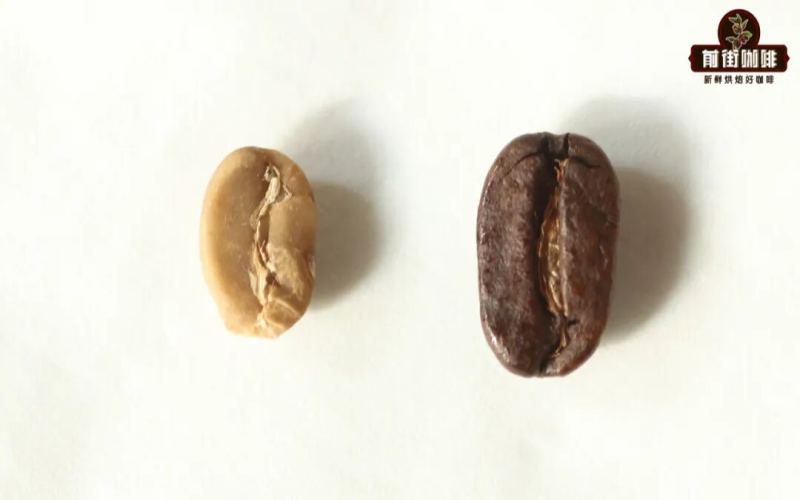
If you often buy beans and brew them at home, you've probably noticed that some coffee beans start to show oil on their surface after sitting for a while. Other beans, no matter how long they're stored, still look dry on the surface. This leads to a rather interesting phenomenon: some people believe that coffee beans [more…]
SOE Roast Days and Degassing Changes: Letting a Single Origin Fully Release Its Aroma During the Optimal Drinking Window
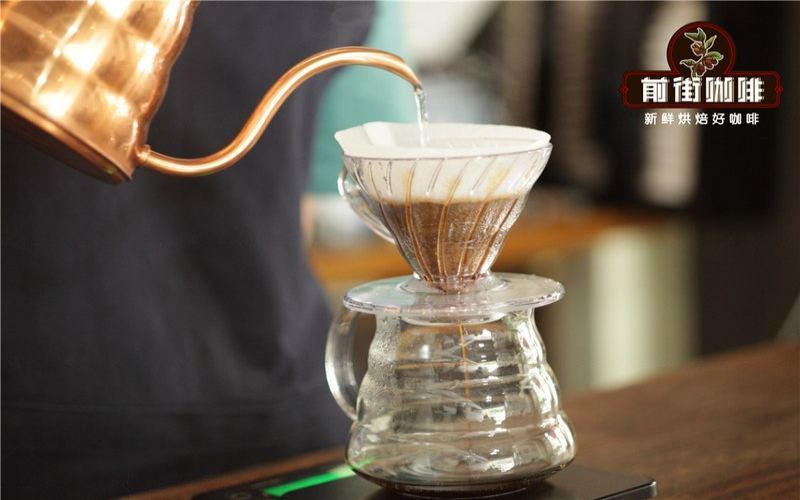
Freshly roasted single-origin coffee beans hold a large amount of carbon dioxide gas trapped inside. In the first days after opening, this gas rushes out violently on contact with water, forming a dense layer of foam. Too much gas prevents water from fully contacting the coffee grounds, so aromatic compounds cannot dissolve out smoothly. Give the beans a quiet period to degas. [more…]

Best Value Specialty Espresso Beans Recommendations | What's the Difference in Flavor Characteristics Between SOE Coffee and Blend Coffee? Which Single-Origin Coffee Beans Are Suitable for Espresso?
In the coffee world, when people mention SOE coffee, they are referring to Single Origin Espresso. Spelled out, this English abbreviation is Single Origin Espresso, and its direct counterpart is Espresso Blend, which refers to Italian-style blended beans. SOE is like a [more…]